
Table of Contents
ToggleVirtual reality has transformed how people experience digital content. This technology creates computer-generated environments that users can explore and interact with in real time. From gaming to healthcare, virtual reality applications continue to expand across industries.
This guide covers everything readers need to know about VR technology. It explains how virtual reality works, explores its most popular uses, and examines the benefits and challenges users face. Whether someone is considering their first VR headset or wants to understand the technology better, this article provides clear, practical information.
Key Takeaways
- Virtual reality immerses users in computer-generated 3D environments by replacing the real world with a digital one through specialized headsets.
- VR technology relies on high-resolution displays, motion tracking, controllers, and spatial audio working together to create convincing experiences.
- Gaming, education, healthcare, and real estate represent the most popular virtual reality applications today.
- Motion sickness, hardware costs ($300–$1,000+), and limited content libraries remain key challenges for widespread VR adoption.
- Future virtual reality advancements include lighter headsets, higher-resolution displays, and haptic feedback technology that simulates touch.
- Enterprise adoption of VR for collaboration and training is accelerating and may drive significant market growth.
What Is Virtual Reality?
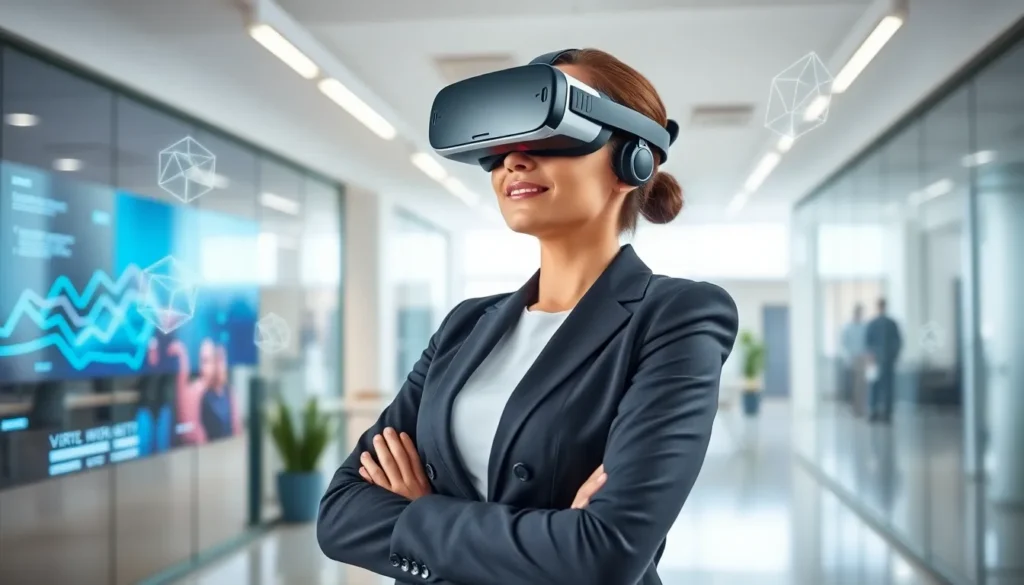
Virtual reality is a computer-generated simulation that immerses users in a three-dimensional environment. Unlike traditional screens, VR places people inside the experience rather than in front of it. Users wear headsets that track their movements and adjust the visual display accordingly.
The core concept behind virtual reality involves replacing the real world with a digital one. When someone puts on a VR headset, sensors detect head position and orientation. The display updates instantly to match these movements, creating the illusion of being somewhere else entirely.
Virtual reality differs from augmented reality (AR) in one key way. AR overlays digital elements onto the real world, while VR replaces the real world completely. Both technologies fall under the broader category of extended reality (XR), but they serve different purposes.
Modern VR systems range from standalone headsets like the Meta Quest 3 to PC-connected devices like the Valve Index. Each offers different levels of immersion, processing power, and content libraries. The virtual reality market has grown substantially, with millions of headsets sold worldwide each year.
How Virtual Reality Technology Works
Virtual reality systems rely on several key components working together. The headset serves as the primary interface, containing displays, lenses, and motion sensors. These elements combine to trick the brain into perceiving a digital environment as real.
Display technology forms the foundation of any VR experience. Modern headsets use high-resolution LCD or OLED screens positioned close to the eyes. Specialized lenses bend the light from these displays, creating a wide field of view that fills peripheral vision. Higher refresh rates, 90Hz to 120Hz is standard, reduce motion blur and help prevent nausea.
Motion tracking makes virtual reality interactive. Headsets contain accelerometers, gyroscopes, and sometimes external sensors that monitor position and rotation. This data updates the display in real time, typically within 20 milliseconds. Any delay longer than that can cause discomfort or break the sense of presence.
Controllers extend interaction beyond head movement. Most VR systems include handheld devices with buttons, triggers, and their own motion sensors. Users can grab objects, point at targets, and manipulate virtual items naturally. Some advanced systems also track hand movements directly without controllers.
Spatial audio completes the immersion. Virtual reality headsets deliver 3D sound that changes based on head position. If a virtual object makes noise to the left, users hear it from that direction. This audio positioning reinforces the illusion that the environment is real.
Popular Applications of Virtual Reality
Gaming remains the most recognized use of virtual reality technology. Players can step inside their favorite games, swing swords, aim weapons, and explore environments firsthand. Titles like Beat Saber, Half-Life: Alyx, and Resident Evil 4 VR have demonstrated what immersive gaming can achieve.
Education and training represent major growth areas for VR. Medical students practice surgeries without risk to patients. Pilots train in flight simulators that replicate real aircraft. Companies use virtual reality to onboard employees and teach complex procedures. These applications reduce costs while improving learning outcomes.
Healthcare professionals have adopted virtual reality for treatment and therapy. Patients use VR to manage chronic pain, treat phobias through exposure therapy, and rehabilitate after injuries. Studies show that virtual reality can reduce pain perception by distracting the brain with immersive content.
Real estate and architecture benefit from VR walkthroughs. Buyers can tour properties remotely before scheduling in-person visits. Architects present building designs in full scale, allowing clients to experience spaces before construction begins. This technology saves time and improves decision-making.
Social platforms have embraced virtual reality as well. Applications like VRChat and Horizon Worlds let users meet, talk, and participate in activities together. These virtual spaces create connection opportunities regardless of physical location.
Benefits and Challenges of VR
Virtual reality offers several distinct advantages over traditional media. Immersion creates emotional impact that flat screens cannot match. Users remember VR experiences more vividly because their brains process them similarly to real events. This makes virtual reality particularly effective for training and education.
Accessibility represents another benefit. VR can transport people to locations they might never visit otherwise. Someone with mobility limitations can explore the Grand Canyon. Students in rural areas can tour world-class museums. Virtual reality democratizes experiences that were previously exclusive.
But, virtual reality technology faces real challenges. Motion sickness affects a significant portion of users, especially during their first sessions. This occurs when visual movement doesn’t match physical sensation. Better hardware and thoughtful software design have reduced this problem, but it hasn’t disappeared entirely.
Cost creates a barrier for many potential users. Quality VR headsets range from $300 to over $1,000. Users may also need powerful computers or dedicated play spaces. These requirements limit adoption among casual consumers.
Content limitations persist as well. While the virtual reality library has grown, it still cannot match the volume available on traditional gaming platforms. Development costs and smaller audiences make some studios hesitant to invest in VR-specific titles.
The Future of Virtual Reality
Virtual reality technology continues to advance rapidly. Headsets are becoming lighter, more comfortable, and more powerful. The Meta Quest 3 and Apple Vision Pro represent current progress, but manufacturers are already developing next-generation devices.
Display improvements will enhance visual quality significantly. Higher resolutions will eliminate the “screen door effect” that makes individual pixels visible. Wider fields of view will better match human peripheral vision. These upgrades will make virtual environments more convincing.
Haptic feedback technology promises to add touch to VR experiences. Gloves and suits that simulate physical sensations are in development. Users might soon feel texture, temperature, and resistance in virtual spaces. This would deepen immersion substantially.
Enterprise adoption of virtual reality is accelerating. Companies recognize VR’s value for collaboration, design review, and remote work. As headsets improve and costs decrease, business applications will likely drive significant market growth.
The line between virtual reality and everyday technology may blur over time. Lighter, more stylish headsets could become as common as smartphones. Some experts predict that virtual environments will become a standard part of how people work, learn, and socialize.


